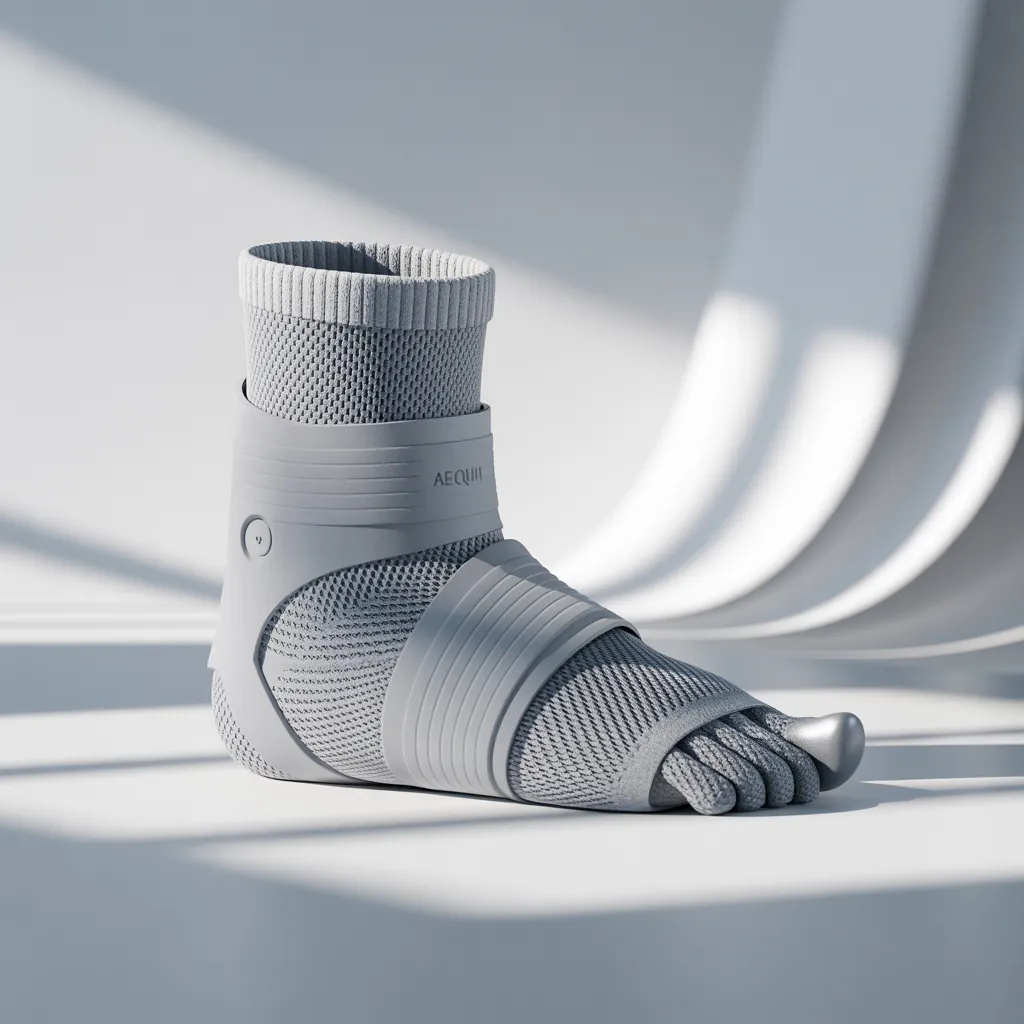
Using Aequi Flex Support
Ankle Support Innovations: The Latest in Orthopaedic Supply Technology
Latest developments in ankle brace technology have significantly transformed the field of orthopaedic equipment. Greater stability and comfort are now realised through innovative materials and designs. Attributes like moisture-wicking fabrics and adjustable straps address individual needs. Furthermore, the incorporation of smart technology delivers unprecedented insights into ankle joint performance. As these developments take shape, their effect on athletes and general users alike raises important questions about the direction of ankle support technology.
How Ankle Braces Help Prevent Frequent Injuries
Ankle supports play an essential role in avoiding frequent injuries, particularly during demanding physical pursuits that put considerable pressure on the joint. Such supports offer stability by restricting overly wide movement, which is crucial for athletes and those participating in high-impact sports. The design of ankle supports often incorporates elements that help distribute pressure evenly, lowering the chances of sprains and strains. By ensuring proper joint alignment during physical activities, they safeguard ligaments and tendons against overstretching.
Additionally, ankle supports can strengthen proprioception, enabling users to more effectively perceive the position of their joint. This awareness can lead to better physical stability and coordination, additionally minimizing injury risks. Additionally, they can deliver healing advantages, such as consistent compression, which may decrease swelling and support the recovery process. Overall, the deliberate application of ankle supports can be an efficient protective strategy against typical ankle-related injuries, facilitating more secure engagement in various physical activities.
Key Features to Consider in Ankle Supports
When picking the ideal ankle support, a few essential features significantly impact its performance. First, the level of compression is vital, as it helps stabilize the ankle joint while reducing swelling. Adjustable straps or closures offer personalized fit, fitting a wide range of ankle sizes and shapes. Fabric breathability is equally important; a sturdy yet breathable material improves comfort during extended use.
Additionally, a low-weight design enhances freedom of motion, making it ideal for both active and routine activities. The ankle support needs to provide appropriate rigidity to restrict unnecessary flex without compromising natural movement.
Finally, evaluate the kind of support—whether it's a brace, wrap, or sleeve—as every type offers its own unique benefits. By prioritizing these essential features, individuals can find an ankle solution that aligns with their personal needs, promoting better recovery and injury prevention.
Cutting-Edge Ankle Support Technologies: How Smart Tech Is Redefining the Game?
In what ways are cutting-edge technologies reshaping ankle support? The integration of smart technology into ankle support devices is revolutionizing how individuals manage and recover from injuries. Smart wearable sensors currently track real-time information, including pressure distribution and joint movement, allowing users to obtain customized feedback and monitor their recovery journey. These advancements allow for proactive adjustments to support levels based on activity, enhancing both comfort and performance.
Additionally, a number of ankle devices feature smart applications that provide data and analytics, allowing users better comprehend their activity patterns and rehabilitation progress. This evidence-based strategy equips athletes and patients alike to make informed decisions regarding their workout and recovery schedules. As cutting-edge technology develops, the potential for advanced injury prevention and healing methods becomes continually more relevant, marking a transformative shift in the area of musculoskeletal health.
Breathable Textiles vs. Traditional Materials: Which Is More Effective for Ankle Support?
The distinction between breathable fabrics and conventional materials for ankle support revolves around critical elements including moisture-wicking properties, durability, and comfort during physical activity. Breathable fabrics often excel in moisture management, improving overall comfort and minimizing irritation. In contrast, standard materials may deliver enhanced durability, prompting inquiries regarding their performance across different conditions.
Moisture-Wicking Properties Explained
Although conventional materials such as cotton and polyester have historically dominated ankle support products, innovations in moisture-wicking fabrics are reshaping the landscape of athletic gear. These innovative materials are specifically crafted to transport moisture away from the skin, promoting a drier and more comfortable experience during physical activity. As opposed to standard fabrics that hold onto sweat, moisture-wicking materials quickly evaporate moisture, minimizing the likelihood of chafing and skin irritation. This feature is particularly beneficial for athletes and active individuals who require prolonged use of ankle support. Furthermore, the superior breathability of these materials assists in regulating body temperature, guaranteeing optimal comfort. As a result, moisture-wicking options are becoming increasingly popular among consumers seeking effective and comfortable ankle support solutions.
Durability And Longevity Comparisons
Durability plays an essential role in assessing ankle support fabrics, especially when contrasting breathable materials with conventional choices like cotton and polyester. Breathable materials, frequently developed with high-performance synthetic fibers, exhibit exceptional durability against wear and tear, making them more suitable for high-impact activities. These fabrics are built to endure ongoing stress while maintaining their structural integrity over time. In contrast, standard fabrics including cotton and polyester, while widely used, may deteriorate more quickly because of moisture buildup and insufficient elasticity. The durability of breathable materials can also be credited to their effectiveness in resisting mold and bacterial growth, further enhancing their durability. Ultimately, the selection of fabric significantly impacts the durability and functionality of ankle support solutions.
Comfort Levels During Activity
Many athletes and active individuals prioritize comfort when selecting ankle support, as it can significantly impact overall performance and experience. Ventilated fabrics, such as mesh and sweat-wicking materials, deliver better airflow, minimizing sweat buildup and encouraging a cooler setting during vigorous activities. These qualities can help prevent skin irritation and discomfort, making them preferable for prolonged use. In contrast, traditional materials like neoprene may offer more rigid support but can trap heat, causing discomfort in hotter environments. The choice between breathable fabrics and traditional materials copyrights on individual needs; athletes engaged in high-intensity sports may favor breathable options, whereas those who need greater stability may select more conventional options. In the end, comfort remains essential to effective ankle support during physical activity.
How Adjustable Braces Provide Personalized Ankle Support
Adjustable braces offer a tailored solution for users in need of proper ankle stabilization, as they can be adjusted to fit the specific needs of each user. These supports employ a variety of straps, velcro, and buckles, allowing users to achieve the optimal amount of compression and stabilization. This customizable approach guarantees that individuals can adjust the support to their specific activity needs, no matter if it entails demanding athletic activities or routine daily functions.
Moreover, adjustable braces accommodate different foot sizes and shapes, rendering them appropriate for a broad range of wearers. By providing targeted support, they help reduce discomfort and minimize the risk of injury during exercise and physical activities. The capacity to readily adjust the fit further promotes compliance, motivating users to wear the brace on a regular basis. Thus, adjustable braces signify a considerable breakthrough in ankle stabilization technology, elevating both functionality and the overall user experience while prioritizing individual needs.
Case Analyses on Ankle Support Performance
Multiple investigations illustrate the impact of various ankle support devices in strengthening balance and lowering injury rates. Research conducted on sports participants demonstrated that employing ankle braces considerably diminished the frequency of sprains while engaged in high-intensity sports. During a controlled investigation, 70% of subjects wearing supportive braces experienced fewer recurring injuries as opposed to individuals who wore no supportive devices.
In addition, a medical study featuring individuals rehabilitating after ankle injuries revealed that those employing rigid supports achieved a faster return to their daily routines. The findings suggested that improved proprioception and immobilization delivered by these supports led to better recovery times.
In addition, case studies involving regular individuals, like patients experiencing chronic ankle instability, showed that steady use of adjustable braces led to increased confidence in mobility and a considerable decline in fall occurrences. As a whole, these studies deliver compelling evidence that reliable ankle support can serve a critical function in injury prevention as well as rehabilitation.
Ankle Support Breakthroughs: Athletes vs. Everyday Users
The demands of both athletes and everyday individuals for ankle support reveal unique priorities when it comes to design. Athletic performance demands center around both stability and responsiveness, while the needs of everyday mobility prioritize usability and comfort. New developments in fit and customization options cater to these diverse needs, enhancing the effectiveness of ankle support for both groups.
Athletic Performance Demands
Professional athletes frequently encounter unique performance demands that demand specialized ankle support innovations, differentiating their needs from those of regular users. These athletes engage in rigorous athletic pursuits that necessitate improved stability, adaptability, and responsiveness from their ankle bracing solutions. Innovations such as reduced-weight materials, refined strapping techniques, and focused compression have been developed to meet these particular needs. To illustrate, some ankle braces incorporate flexible support frameworks that adjust to different movements, allowing athletes to maintain peak performance while limiting potential injury. Additionally, moisture-control fabrics and airy constructions improve comfort throughout extended wear. In summary, the attention to performance-driven features confirms that athletes can push their limits while safeguarding their ankles against the stresses of rigorous training and competition.
Daily Mobility Requirements
A great number of people going through everyday life require ankle support advancements that prioritize comfort and stability instead summary of the high-performance features favored by athletes. For these everyday users, the focus turns toward products that alleviate discomfort and avoid injuries during routine activities such as walking, standing, or light exercise. Advancements in materials and design have led to lighter, more breathable options that offer essential support without compromising mobility. Furthermore, these supports often include adjustable elements to adapt to varying levels of swelling or fatigue throughout the day. While athletes may need advanced stabilization and performance enhancements, everyday users are best served by solutions that elevate their overall quality of life, allowing them to engage in daily tasks with confidence and reduced risk of injury.
Personalization and Fit Choices
Personalization and fit options serve a fundamental role in enhancing the effectiveness of ankle supports for both competitive athletes and general users. Athletes need specialized options that suit their individual sports and performance demands, frequently choosing adjustable components that offer both support and freedom of movement. On the other hand, regular users tend to emphasize comfort and convenience, seeking supports that seamlessly integrate into daily activities. Progress in materials and design innovation has allowed manufacturers to create products that cater to these diverse needs, guaranteeing a close fit without compromising flexibility. Adaptable straps, different compression levels, and extensive size ranges continue to elevate the wearer's experience, helping people identify the most suitable support for their individual demands, thereby maximizing both performance and comfort.
What's Next for Ankle Support Technology?
The evolution of ankle support technology presents remarkable developments that are likely to boost athletic performance and rehabilitation. Innovative materials, including smart fabrics embedded with sensors, are designed to monitor real-time movement and provide feedback to users. This innovation is designed to minimize injury occurrences by notifying athletes of potentially harmful movements.
In addition, 3D printing technology is anticipated to redefine custom ankle braces, making possible customized designs that accommodate specific anatomical demands. This may enhance wearability and efficiency, replacing traditional, non-customized solutions entirely.
Moreover, innovations in biomechanical research may give rise to supports that actively change their structural resistance based on activity levels, offering both firmness and mobility. As scientific teams press forward to examine these pathways, the infusion of intelligent automation in rehabilitation protocols could greatly enhance recuperation timelines. Ultimately, the combination of these advancements signals a transformative period for ankle care innovations, enhancing both athletic performance and injury prevention.
Questions We Often Receive
What Is the Best Way to Choose the Right Size for Ankle Supports?
To determine the right size for ankle support products, measure the ankle circumference at the narrowest part. Consult the sizing chart provided by the manufacturer, making sure you achieve a secure fit without compromising blood flow or mobility for maximum support.
Are Ankle Supports Suitable for Wearing During Sleep?
Ankle braces can be worn during sleep, but comfort and fit are essential. These supports can offer stability while helping to minimize swelling, yet prolonged use should be monitored to minimize the risk of reduced blood flow or unease.
Are There Any Long-Term Risks Associated With Using Ankle Supports?
Long-term use of ankle supports has the potential to cause weakened muscles, diminished proprioception, and reliance on the support. Appropriate assessment and intermittent breaks from support are critical to preserve the strength and functionality of the ankle joint.
How Often Should I Replace My Ankle Support?
Ankle supports should generally be replaced every six months to a year, depending on usage and wear. Periodic examinations help maintain proper support and protect against injuries resulting from worn materials.
Can Ankle Supports Overly Restrict Your Movement?
Ankle support devices can reduce mobility to various levels, based on their design and intended purpose. Whereas some options deliver substantial stability, others enable increased range of motion, balancing support and flexibility to meet the unique needs and physical demands of each user.