Ultherapy or HIFU? in Malaysia for Youthful Skin
Ultherapy vs HIFU: Key Differences, Benefits, and Which Treatment Is Best for You
In the field of non-surgical skin tightening, Ultherapy and HIFU stand out for their different techniques and effects. Both treatments target varying skin layers and provide distinct advantages. Understanding these differences is essential for anyone considering a procedure. What elements should determine the selection between these two procedures? The differences in approaches, results, and expenses may disclose more than originally assumed.
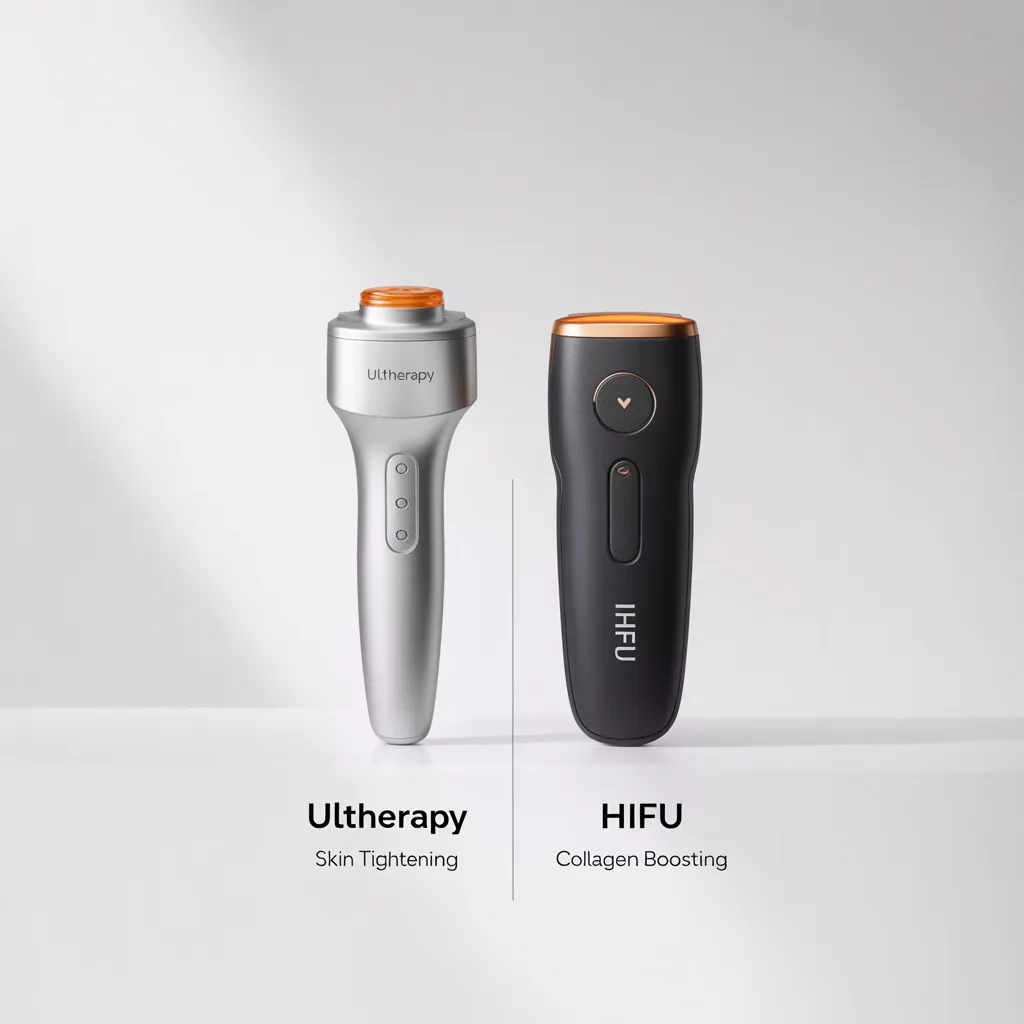
Ultherapy versus HIFU: Which Skin Tightening Treatment Is Best for You?
When looking at skin tightening treatments, how do Ultherapy and HIFU compare? Both treatments utilize ultrasound technology but vary in their application and results. Ultherapy is FDA-approved and targets deeper layers of skin to boost collagen production, producing a more lifted appearance. It is commonly recommended for those looking for noticeable lifting effects, particularly on the neck, brow, and décolleté area.
In contrast, HIFU (HIFU) functions in a similar way but often concentrates on surface-level skin tissue. This treatment is frequently preferred for its effectiveness in treating a wider variety of skin issues, including surface lines and overall texture read the facts improvement.
While Ultherapy is widely regarded as more powerful for substantial skin tightening, HIFU may be suitable for those looking for milder enhancements. At the end of the day, selecting between Ultherapy and HIFU should depend on one's unique skin condition, expected results, and guidance from a qualified professional.
How Does Ultherapy Function?
Ultherapy leverages focused ultrasound energy to pass through the skin's outer layers, focusing on the deeper skin layers where collagen is generated. This minimally invasive treatment uses ultrasound imaging technology to map the skin's layers, ensuring precise energy delivery to specific depths. Through controlled tissue heating, Ultherapy stimulates the body's natural healing response, encouraging collagen renewal and progressive skin tightening.
Patients generally experience little to no discomfort, as the treatment is specifically designed to direct energy to targeted areas without harming the surrounding tissue. The Ultherapy effects slowly become noticeable, typically improving over several months as collagen continues to develop. Sessions generally last between thirty to ninety minutes, based on the area being treated.
Outcomes can persist for a year or longer, making it an attractive option for those seeking a non-surgical lift. In summary, Ultherapy provides a distinctive method for tightening the skin by leveraging the body's inherent capabilities to revitalize and renew skin firmness.
What Exactly Is HIFU?
High-Intensity Focused Ultrasound (HIFU) represents a non-invasive technological advancement that employs focused ultrasound energy to support tissue tightening and lifting. The treatment process involves directing ultrasound waves to specific layers of skin, stimulating collagen production for rejuvenation. HIFU is widely used across multiple areas such as the face, neck, and décolletage, addressing sagging skin and enhancing the overall appearance.
The Technology That Powers HIFU
HIFU, or High-Intensity Focused Ultrasound, employs state-of-the-art ultrasound technology to reach and activate deeper layers of the skin. This minimally invasive procedure uses targeted acoustic waves to generate controlled thermal energy at carefully selected depths, stimulating collagen synthesis and tightening tissues. By focusing energy on targeted points, HIFU minimizes damage to surrounding tissues, enhancing safety and effectiveness.
The system uses a portable device that emits ultrasound waves, enabling practitioners to tailor treatment depth based on individual skin conditions and goals. HIFU works without the need for incisions, making it a popular choice for individuals looking for skin renewal without lengthy recovery periods. This groundbreaking method has gained popularity for its proven ability to firm and lift skin, positioning it as a viable option in aesthetic medicine.
Treatment Process Overview
For those seeking effective non-invasive skin rejuvenation treatments, the approach of HIFU is distinguished by its simple yet powerful method. High-Intensity Focused Ultrasound (HIFU) utilizes ultrasound energy to penetrate deep into the skin, promoting collagen growth while leaving the surface intact. The treatment usually starts with a consultation to evaluate personal skin requirements and define objectives. A specialized gel is subsequently applied to the targeted area to ensure optimal ultrasound delivery. The HIFU handpiece is carefully passed over the skin, administering precise energy pulses. Every session takes approximately 30 to 90 minutes, based on the area being addressed. Individuals may notice minor discomfort, but no downtime is necessary, permitting a swift return to normal activities.
Primary Target Areas for HIFU
Non-invasive skin therapies have risen in prominence for their capacity to effectively address targeted areas of concern. HIFU, or High-Intensity Focused Ultrasound, is especially well-known for its precision in addressing various skin issues. It is commonly used to treat sagging skin on the face, neck, and décolletage, encouraging a more youthful and lifted look. Furthermore, HIFU can target fine lines and wrinkles, enhancing overall skin texture and firmness. Extending beyond its facial uses, it is highly beneficial for body contouring purposes, addressing problem areas including the abdomen, thighs, and arms. This procedure encourages the natural production of collagen, resulting in lasting skin renewal and revitalization. Patients often favor HIFU for its ability to deliver noticeable results without invasive procedures, positioning it as a leading choice for those pursuing non-invasive aesthetic enhancements.
Ultherapy versus HIFU: Treatment Approaches
In comparing Ultherapy and HIFU, notable distinctions in treatment technology become apparent, influencing their effectiveness and practical applications. Each procedure differs in duration, which can impact patient preferences and appointment planning. Furthermore, the specific areas targeted by each treatment underscore their individual approaches to skin tightening and renewal.
Treatment Technology Variations
Ultherapy and HIFU (High-Intensity Focused Ultrasound) employ different technologies to accomplish skin tightening and rejuvenation. Ultherapy uses micro-focused ultrasound combined with visual imaging, enabling practitioners to pinpoint specific skin layers and deliver energy exactly where it is required. This method stimulates collagen production, resulting in lifted and tightened skin over time. On the other hand, HIFU applies high-intensity focused ultrasound without real-time imaging, directing energy to deeper skin layers in a more generalized way. Although both procedures encourage collagen regeneration, their technological distinctions affect treatment depth and precision. Therefore, patients may encounter varied results according to their specific skin conditions and goals, making it important to grasp these technological distinctions when assessing either choice.
Procedure Timeframe Comparison
When evaluating session lengths for Ultherapy and HIFU, a number of factors are involved that can influence the overall treatment time. Generally, Ultherapy sessions last between 30 to 90 minutes, depending on the targeted areas and the scope of treatment necessary. In contrast, HIFU procedures usually fall from 30 to 60 minutes. The specific duration for both treatments can fluctuate depending on individual patient needs, the expertise of the provider, and the technology used. Patients seeking a more extensive treatment may find Ultherapy takes longer due to its detailed approach. At the end of the day, being aware of these durations can help individuals prepare appropriately, ensuring they allocate sufficient time for their selected treatment.
Targeted Areas Addressed
Ultherapy and HIFU present unique solutions for non-surgical skin tightening, focusing on particular areas of the face and body. Ultherapy is mainly centered on lifting and tightening the skin across the face, neck, and décolletage through the use of ultrasound technology that stimulates collagen production. It is notably effective at correcting sagging skin and refining the jawline and brow area.
By comparison, HIFU (High-Intensity Focused Ultrasound) has a wider range of applications, commonly applied for both facial and body treatments. It focuses on areas such as the abdomen, thighs, and arms, making it versatile for comprehensive skin firming. While both treatments enhance skin elasticity, their areas of focus establish the most suitable option based on each individual's aesthetic goals.
What Results Can You Expect From Ultherapy and HIFU?
What kind of results can individuals anticipate from Ultherapy and HIFU? Both procedures are designed to enhance skin firmness and encourage a more rejuvenated look. Ultherapy commonly produces outcomes such as firmer skin, diminished wrinkles, and improved facial definition. These enhancements typically become visible within several months and may persist for a year or longer, based on individual skin conditions and the natural aging process.
HIFU, which stands for High-Intensity Focused Ultrasound, offers comparable advantages as well, concentrating on firming and lifting loose skin. Clients can experience prompt outcomes, with progressive advancement across multiple months as collagen production increases.
For both treatments, outcomes may differ according to factors including age, skin type, and treatment areas. While Ultherapy is often preferred for its precision in deeper layers, HIFU is known for its broader, more accessible application. In the end, patients can anticipate notable improvements in skin tone and texture with either choice.
Potential Side Effects and Recovery Times: Ultherapy vs HIFU
Possible side effects and healing times may differ significantly between Ultherapy and HIFU. Ultherapy typically involves little to no downtime, with the majority of patients resuming their daily routines immediately after treatment. Frequently reported side effects consist of slight redness, puffiness, and sensitivity in the targeted areas, which usually resolve within a few hours to a few days.
By comparison, HIFU may result in more prolonged side effects such as bruising and swelling, subject to individual sensitivity. Recovery times can range from a few hours to several days, most notably if multiple areas are treated. Although both procedures are typically well-accepted, patients ought to consider these potential side effects and consider their personal schedules when planning for the procedure. Consulting with a qualified practitioner can help individuals better understand their specific risks and recovery expectations, supporting a thoroughly educated determination regarding their treatment options.
Price Breakdown: Ultherapy vs HIFU
When comparing the costs of Ultherapy and HIFU, key differences arise that can influence a patient's final decision. In most cases, Ultherapy is pricier, often ranging from $2,000 to $4,000 per procedure, according to the area being targeted and the provider's level of skill. This higher price reflects its FDA approval and sophisticated technology. In contrast, HIFU treatments typically range between $500 and $2,500, making it a more budget-friendly option for a wide range of patients.
While both treatments offer minimally invasive skin rejuvenation alternatives, the difference in pricing may prompt patients to consider the number of appointments necessary. Ultherapy typically demands fewer treatments, potentially balancing out its higher initial cost. Patients should evaluate their budget alongside desired outcomes to decide which option most closely matches their budgetary and beauty aspirations. Ultimately, a thorough consultation with a qualified provider can provide personalized insights into the most suitable option.
Common Questions and Answers
How Long Do Ultherapy and HIFU Results Usually Last?
Ultherapy results generally last anywhere from 6 to 12 months, while HIFU results can endure from 6 months up to 2 years. Individual factors such as skin type and age can influence durability.
Are Ultherapy and HIFU Appropriate for Every Skin Type?
Ultherapy and HIFU are commonly considered compatible with diverse skin types. Nevertheless, personal factors including skin sensitivity and particular conditions ought to be evaluated by a certified professional to identify the most suitable treatment for each individual.
Can These Treatments Be Paired With Additional Procedures?
Both Ultherapy and HIFU can be safely combined with other cosmetic procedures, boosting overall treatment results. Experts generally suggest personalized treatment plans according to individual skin types and target results for maximum effectiveness and safety.
What Age Is Best for Starting Ultherapy or HIFU?
The optimal age to undergo Ultherapy or HIFU commonly spans from the late twenties through the early forties, as individuals often seek preventive measures or address early signs of aging, maximizing the treatments' effectiveness during this period.
How Do I Choose a Qualified Provider for These Treatments?
To choose a competent provider for HIFU or Ultherapy, one should verify credentials, request referrals, review patient testimonials, and confirm the provider has substantial knowledge with the particular procedure to ensure efficacy and safety.