Transform Your Look with Hair Loss Treatment Malaysia
Top Hair Loss Treatments: Tested Approaches to Achieving Fuller, Healthier Hair
Hair loss is a common concern for many, with several root causes ranging from genetic predispositions to vitamin deficiencies. Familiarizing oneself with treatment options is vital for those seeking solutions. From surface treatments to cutting-edge interventions, options abound. Yet, the results of these approaches may differ. Exploring the nuances of each treatment can offer guidance toward fuller, more vibrant hair. Which elements should be weighed when choosing the most appropriate method?
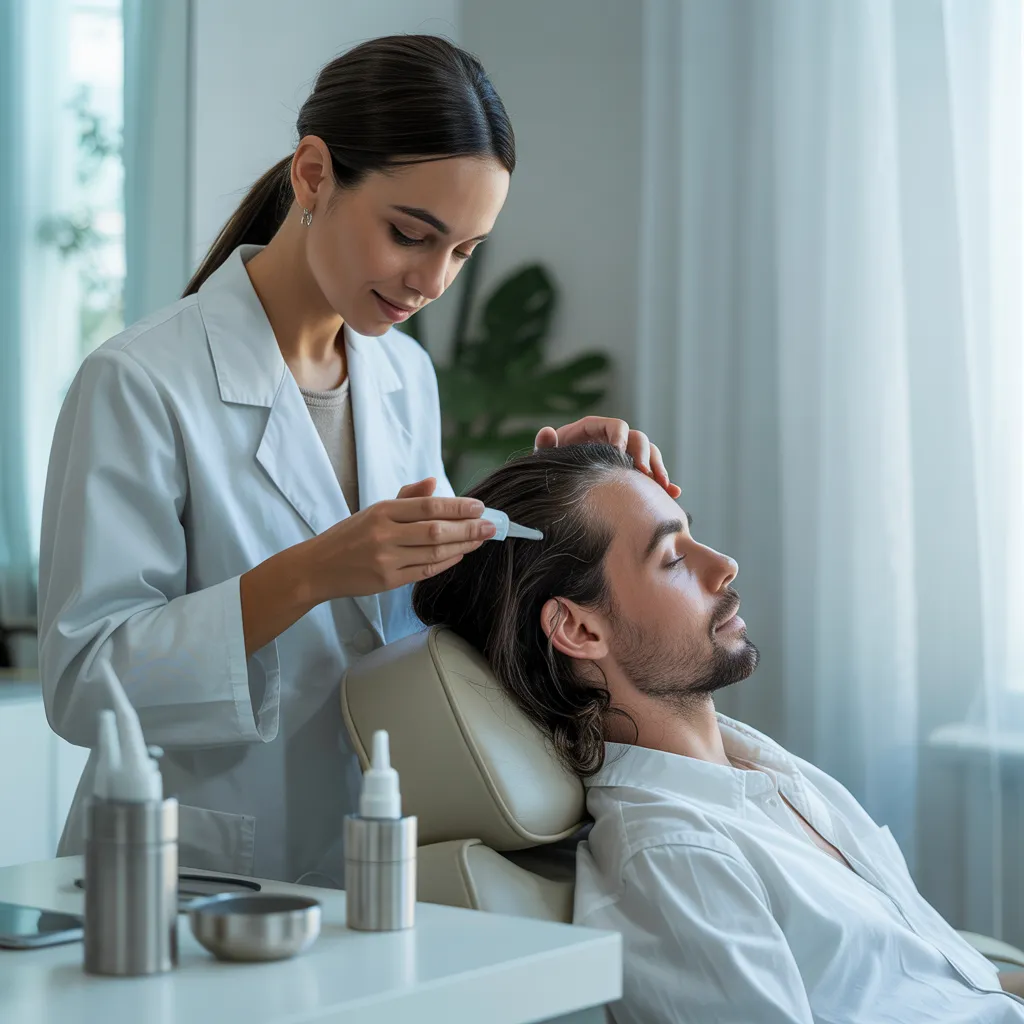
Why Is My Hair Falling Out? Frequent Causes Examined
Why does hair loss affect so many people? Hair loss can profoundly affect self-confidence and one's sense of identity, causing many to search for explanations. Several elements are responsible for this prevalent condition. Genetics is a key contributing factor; issues like androgenetic alopecia are known to trigger hereditary hair thinning. Hormonal changes also contribute, especially during pregnancy, menopause, or when thyroid irregularities occur. Furthermore, stress may cause short-term hair loss, commonly called telogen effluvium, where hair follicles enter a resting phase. Poor nutritional intake, particularly low protein or iron levels, can negatively affect hair vitality, as certain health conditions, including autoimmune disorders, may cause irregular hair thinning. External elements, such as contact with strong chemicals or excessive heat, can worsen hair loss. Understanding these causes is essential for individuals experiencing hair loss, as it may guide them toward effective management and treatment options tailored to their specific situation.
Which Treatments Are Available for Hair Loss?
Numerous hair loss treatments exist, ranging from medical solutions to natural remedies. Many seek out lifestyle adjustments that could affect the condition of their hair. Being aware of these alternatives is key to making educated choices regarding hair loss care.
Medical Treatments Overview
The landscape of hair loss treatments is diverse, presenting a variety of medical approaches for individuals seeking to restore their hair. Some of the most widely used treatments include topical solutions like minoxidil, which encourage hair regrowth and are suitable for both men and women. Prescription drugs, including finasteride, are likewise accessible, primarily for men, and function by inhibiting hormonal factors that lead to hair loss. When dealing with more significant hair loss, procedures like hair transplant surgery can provide lasting results by relocating hair follicles. Additionally, low-level laser therapy (LLLT) has gained popularity as a minimally invasive method to improve hair thickness. Every treatment differs in its efficacy and appropriateness, highlighting the value of seeking guidance from a medical professional for tailored advice.
Natural Healing Options
Examining natural remedies for hair thinning reveals a number of approaches that can bolster hair health and growth. Botanical treatments, such as saw palmetto and ginseng consult now root, are commonly celebrated for their ability to reduce hair loss and activate follicles. Essential oils, including rosemary and spearmint, have shown promise in promoting circulation to the scalp, which may boost hair growth. Furthermore, gentle scalp massages can enhance blood circulation and strengthen hair density with time. Dietary supplements, such as omega-3 fatty acids and biotin, are regarded as advantageous for building stronger hair. Even though results may differ from person to person, they present a balanced holistic solution that many individuals find appealing in their quest for fuller, stronger hair.
Lifestyle Modifications Impact
Implementing substantial lifestyle adjustments can profoundly impact hair health and help decrease hair loss. A nutritious diet abundant in vitamins and minerals, particularly iron, zinc, and biotin, supports hair growth and fortifies hair follicles. Consistent physical activity enhances blood flow, providing key nutrients to the scalp. Additionally, managing stress through techniques such as mindfulness or yoga can reduce hormonal disruptions that commonly cause hair thinning. Sufficient water intake is also important, as it supports scalp moisture levels. Moreover, steering clear of harsh chemical treatments and limiting heat styling can avoid further damage. Adopting these lifestyle changes not only improves overall health but also fosters a healthier environment for hair growth, positioning them as an essential element of effective hair loss treatment strategies.
Leading Topical Options for Hair Loss
While various factors contribute to hair loss, effective topical treatments can greatly aid in reversing this condition. Minoxidil remains among the most thoroughly investigated topical options, known for promoting hair regrowth and slowing thinning. It functions by boosting blood circulation to hair follicles, restoring weakened follicles, and prolonging the hair growth cycle. Another option is finasteride, often available in topical formulations, which helps to block the hormone responsible for hair loss. Furthermore, natural remedies such as essential oils, especially rosemary and peppermint, have demonstrated potential in encouraging hair growth and enhancing scalp condition. These remedies can improve the general density and look of hair. Regular application is critical for obtaining the best outcomes, and individuals should remain patient, since noticeable changes may require several months. Pairing these solutions with a well-rounded plan may deliver the greatest benefits in handling hair loss efficiently.
How Can Nutritional Supplements Improve Your Hair?
Nutritional supplements are known to have a considerable impact on improving hair health and fighting hair loss. Various vitamins and minerals support the hair growth cycle, with biotin, zinc, and vitamin D standing out as particularly advantageous. Biotin, a key B-vitamin, is essential for the production of keratin, while zinc helps maintain hair tissue and regulates hormone levels that influence hair growth. Vitamin D, commonly associated with hair follicle health, has the ability to activate hair follicles and encourage new growth.
Omega-3 compounds, found in fish oil, support scalp health and may help decrease inflammation, which can lead to hair loss. Moreover, iron supplements can be essential for people lacking adequate iron levels, as iron is essential for transporting oxygen to hair follicles. While nutritional supplements are not a cure-all, they can offer important nutrients that enhance overall hair health, making them a valuable addition to any hair loss care routine.
Simple Lifestyle Changes for Healthier Hair
To achieve healthier hair, individuals can implement simple lifestyle changes that focus on three key areas: a nutritious diet, stress management, and an appropriate hair care regimen. Nutrition-dense foods can boost hair strength, while proven stress management methods may help prevent additional hair loss. Furthermore, following an appropriate hair care routine ensures that hair stays in optimal condition.
Balanced Diet Essentials
A well-rounded diet is essential in supporting stronger hair, as essential nutrients directly impact hair development and resilience. Critical nutrients include dietary proteins, which are essential for hair composition, and omega-3 fatty acids that support hair follicles. Iron and zinc are also beneficial; they support blood circulation and minimize hair weakening. Vitamins A, C, D, and E contribute to a strong scalp and robust hair development by preserving hydration and encouraging cellular regeneration. Introducing a wide selection of vegetables, fruits, lean proteins, and whole grains can provide a complete nutrient intake. Hydration is equally important; adequate water consumption helps sustain hair resilience and holistic health. Making these dietary adjustments can significantly improve hair strength and visual appeal.
Stress Reduction Methods
Maintaining healthy hair is not just about diet, managing stress is equally important. Long-term stress can trigger hair loss by disturbing the hair growth process and triggering conditions like telogen effluvium. Straightforward lifestyle adjustments can effectively help reduce stress. Regular exercise, such as walking or yoga, promotes the release of endorphins, which helps elevate mood and alleviate anxiety. Mindful techniques, such as meditation and deep breathing, can further cultivate inner calm. Prioritizing quality sleep is vital, as it enables the body to recover and renew. Furthermore, spending time with loved ones and pursuing hobbies can offer emotional comfort and relief from stress. Adopting these strategies can promote stronger and healthier hair in the long run.
Correct Hair Care Routine
Establishing a proper hair care practice is essential for preserving healthy locks, especially when paired with lifestyle changes. Frequently washing hair with a nourishing shampoo helps remove dirt and excess oils without stripping crucial moisture. Incorporating a nourishing conditioner supports detangling and provides hydration, boosting shine and elasticity. Minimizing heat styling tools and incorporating protective products can considerably decrease damage. Moreover, regular trims help prevent split ends, sustaining overall hair health. A well-rounded diet loaded with vitamins and minerals, particularly biotin and omega-3 fatty acids, also promotes hair strength. Drinking enough water is just as vital, as water intake supports hair vitality. By embracing these straightforward yet powerful practices, individuals can enhance their hair's overall condition and durability.
Advanced Hair Restoration Treatments
Several innovative hair restoration procedures have emerged, offering effective solutions for those facing hair loss. Among these, platelet-rich plasma (PRP) therapy has attracted significant attention due to its incorporation of the patient's own blood to activate hair follicles. This treatment involves drawing blood, processing it to concentrate the platelets, and injecting it into the scalp to facilitate healing and hair growth.
Moreover, laser therapy stands as another innovative solution that harnesses low-level laser technology to improve blood flow and cellular activity in the scalp. This non-invasive approach can powerfully rejuvenate inactive hair follicles.
In addition, hair transplant procedures, such as follicular unit extraction (FUE), have improved substantially, allowing for more natural-looking results. These methods move healthy hair follicles from donor areas to thinning regions, providing a permanent solution for hair loss. Combined, these sophisticated treatments represent considerable achievements in the quest for fuller, healthier hair.
Assessing Natural Treatments for Hair Loss?
What natural treatments can help fight hair loss? A large number of people seek out herbal options, including saw palmetto and ginseng, which are believed to promote hair growth by inhibiting DHT, a hormone linked to hair thinning. Certain essential oils, especially rosemary and peppermint, have garnered attention for their potential to improve circulation to the scalp. Furthermore, a nutrient-dense diet abundant in vitamins and minerals—especially biotin, zinc, and iron—can support hair health from within.
However, the success of these treatments varies widely among individuals. While some users report encouraging results, clinical evidence remains limited. It is important for users to approach these remedies with realistic expectations and to speak with medical experts before beginning any new therapeutic routine. In summary, while organic approaches may yield positive effects, they should complement, rather than substitute, proven medical interventions for alopecia.
Questions Our Clients Often Ask
Is Stress Actually Capable of Causing Hair Loss?
Stress can indeed lead to hair loss. High levels of stress in individuals may trigger conditions such as telogen effluvium, causing temporary thinning and shedding of the hair. Managing stress is essential for overall hair health.
When Can You Start Seeing Results From Treatments?
Results from hair loss treatments generally become visible within three to six months. Nevertheless, personal results differ depending on factors such as treatment type and underlying causes, necessitating patience and consistency for optimal results.
What Are the Possible Side Effects of Hair Loss Treatments?
Hair restoration products might produce adverse effects such as scalp irritation, a itching sensation, or undesired facial hair growth. Some people report changes in hair texture or color, while other individuals experience sensitivity or allergic reactions to particular ingredients.
Is Hair Loss Genetic and Can It Be Stopped?
Hair thinning can be hereditary, influenced by genetic and hormonal elements. Although it cannot always be fully prevented, various treatments and lifestyle modifications can assist in slowing its development and enhancing overall hair health.
How Does Scalp Health Impact Hair Growth?
The health of the scalp strongly affects hair growth. A clean, well-fed scalp supports strong follicles, minimizes inflammation, and enhances blood flow, all of which contribute to stronger, thicker hair. Maintaining scalp hygiene is essential for the best possible hair health.