Home Paternity Test: Private At-Home DNA Solution for Families
Seeking Resolution: How Home Paternity Tests Can Change Lives
Home paternity tests offer a pivotal opportunity for those searching for understanding about their familial bonds. They can unravel long-held uncertainties, sparking hard dialogues within families. Even as the findings can provoke an overwhelming range of feelings, they also hold the potential to redefine individual stories. As people navigate these discoveries, the inquiry persists: how will these discoveries affect their bonds and sense of self? The road to comprehension is initiated by the outcomes.
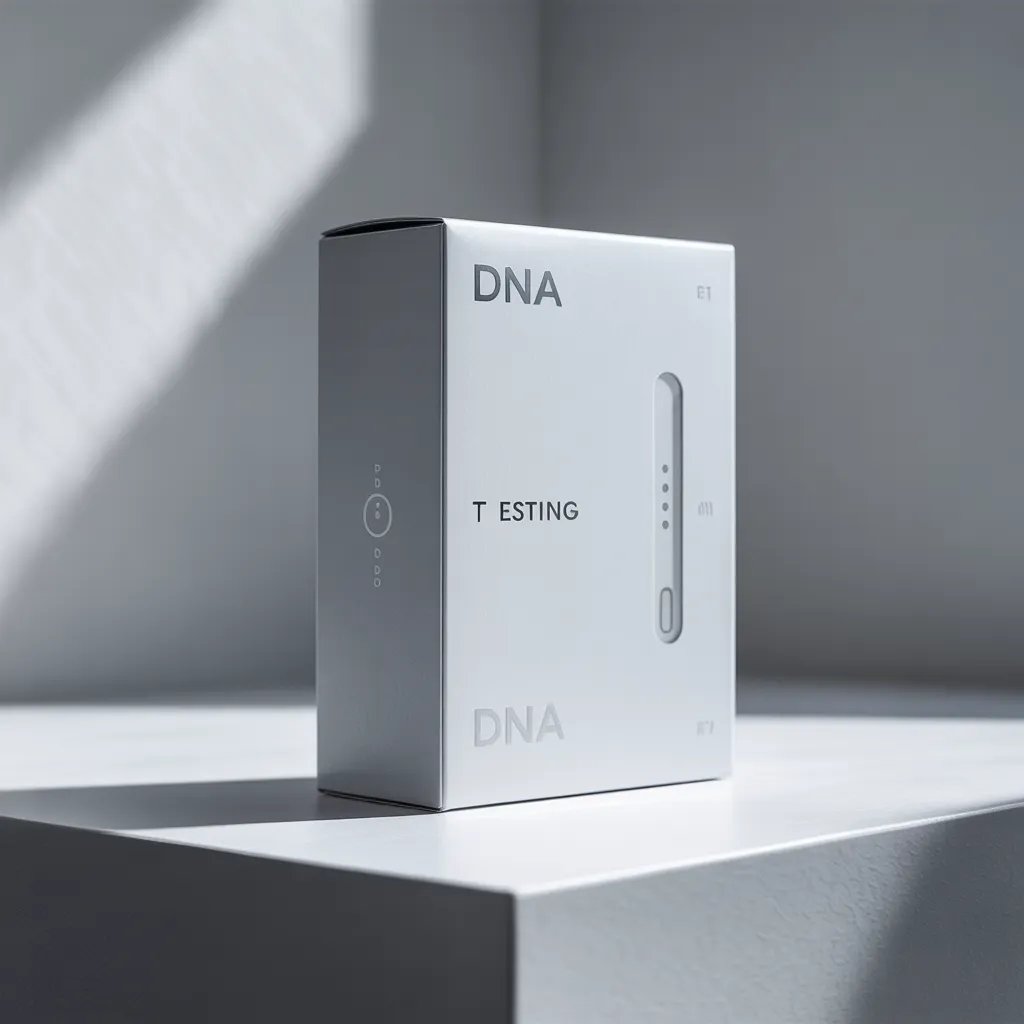
What You Should Know About Home Paternity Tests
What elements should people evaluate when considering home paternity tests? To begin, individuals should evaluate the trustworthiness of the testing provider. Reputable providers often offer accredited labs and clear methodologies. Next, the accuracy of results is paramount; numerous tests advertise over 99% accuracy, yet buyers should confirm these assertions through customer reviews or independent assessments. Price is also an important factor to examine; even though home tests may cost less than clinical tests, pricing can fluctuate considerably. Moreover, individuals should confirm that the test kit provides comprehensive guidance for sample collection to reduce mistakes. Data security is likewise crucial; users must comprehend how their genetic material will be retained and handled. In closing, think about the psychological consequences of the outcomes, as they may uncover meaningful personal discoveries. Being aware of these considerations can assist people in making well-informed choices regarding home paternity tests and their possible effects on family relationships.
The Role of Home Tests in Providing Convenience and Privacy
Home-based paternity tests deliver a confidential testing solution, allowing individuals to maintain privacy throughout the process. The simple sample collection method further enhances convenience, allowing individuals to collect required samples within the privacy of their own homes. This pairing of convenience and discretion makes at-home tests a popular solution for individuals looking for clarity.
Private Testing Experience
The attraction of private testing rests in its ability to offer individuals with privacy and convenience while navigating sensitive situations. At-home paternity tests allow users to navigate complex emotional circumstances without the scrutiny often connected to traditional testing procedures. By facilitating a private environment, these tests allow individuals to find clarity at their own pace, reducing anxiety stemming from potential scrutiny from family or friends. The packaging is generally unmarked, ensuring confidentiality during collection and delivery. Additionally, the process can be conducted in the convenience of a personal setting, removing the need for awkward encounters in medical facilities. This confidential approach not only acknowledges personal boundaries but also develops a sense of control over the testing experience, making it a worthwhile option for a wide range of people.
Effortless Sample Collection Procedure
Obtaining samples for paternity testing has never been simpler, thanks to user-friendly kits designed for home use. These kits commonly feature straightforward swabs or collection tubes that need minimal preparation, enabling individuals to collect DNA samples with ease and discretion. Each kit provides clear instructions, ensuring that individuals can complete the process without confusion or stress. Additionally, the sampling approach is completely non-invasive, making it accessible for participants of all ages. This level of convenience empowers individuals to take control of their paternity testing journey, doing away with the necessity for clinic visits and minimizing associated costs. In the end, at-home paternity tests not only provide confidentiality but also promote a sense of independence in navigating personal family matters.
Understanding the Emotional Significance of DNA Paternity Tests
The emotional weight of home paternity tests can be profound, often uncovering hidden family truths that change family dynamics. While many individuals may experience relief and healing through newfound clarity, others might face emotions of betrayal and confusion. Understanding these emotional responses is crucial for those working through the challenges of see here family identity and dynamics.
Discovering Family Secrets
While many individuals approach paternity tests with curiosity, the emotional ramifications often extend far beyond mere answers. The revelation of unexpected biological relationships can unravel long-held family narratives, giving rise to sentiments of betrayal or disorientation. For many, learning of a non-biological parentage may invoke deep sorrow over a lost relationship. Conversely, others may find joy in newfound relationships, but this joy can be overshadowed by the upheaval of existing family dynamics. The weight of these revelations often burdens individuals, requiring them to maneuver through challenging emotional circumstances. As family secrets emerge, relationships may shift, and trust can be tested, underscoring the significant effect that paternity tests can exert on personal identity and family connections.
Healing Through Clarity
Insight commonly arises as a significant motivator for restoration in the following of paternity testing. For numerous people, the revelation of hereditary bonds can trigger a complicated blend of emotions, including sadness, anger, and relief. These tests provide clear resolutions that can dissolve long-standing doubt, enabling families to acknowledge their circumstances. As individuals absorb the results, they commonly experience the space to resolve deeply rooted conflicts. This newfound clarity can promote open communication, rekindling relationships weakened by unspoken realities. Ultimately, the emotional impact of paternity tests extends beyond mere genetic connections, providing a pathway toward understanding and resolution. Through conversation and compassion, individuals can convert their circumstances into opportunities for personal growth and healing.
Transformative Experiences: Real-Life Stories
How can paternity tests redefine lives and relationships? For numerous people, the outcomes can deliver deep clarity and transformation. One man, previously burdened by doubt, discovered through a home paternity test that he was not the biological father of a child he had raised for years. This revelation, while painful, ultimately freed him from the emotional turmoil of uncertainty, allowing him to rebuild his life with honesty.
In a similar situation, a female individual seeking closure from a troubled past found out that her father was in fact her biological father, despite years of believing otherwise. This newfound knowledge sparked a healing journey, mending fractured family ties and fostering deeper connections.
These stories illustrate the powerful effect of home paternity tests, reshaping lives by providing essential truths, enabling personal growth, and assisting individuals in navigating complex emotional landscapes with renewed clarity and purpose.
The Way Home Paternity Tests Affect Family Dynamics
What impact do home paternity tests have on family dynamics when hidden truths come to light? The revelation of biological relationships can alter existing connections, often leading to emotional upheaval. Should a test disclose that a supposed father is not genetically linked to a child, it can produce fractures in relationships, evoking a sense of betrayal and disorientation. On the other hand, uncovering a genuine biological link can reinforce relationships, cultivating feelings of belonging and acceptance.
Families may experience a reevaluation of roles, as people work through the implications of newfound information. Siblings could wrestle with shifted understandings of their connections, while parents could encounter challenges related to trust and communication. In some cases, the results can catalyze healing, offering resolution for longstanding doubts. However, the emotional consequences are hard to foresee, as every household must work through the intricacies of selfhood, loyalty, and family bonds after unforeseen disclosures. In the end, at-home paternity tests function as significant instruments that can reshape family dynamics profoundly.
Comprehending the Legal Legitimacy of Home Tests
The emotional consequences of home paternity tests can lead individuals to seek clarity not only in private relationships but also in their legal circumstances. While these tests provide quick results and convenience, their admissibility in legal contexts varies greatly. Generally, at-home tests fail to satisfy the rigorous requirements needed for legal proceedings, as they are missing adequate chain-of-custody procedures and expert oversight. Legal authorities frequently mandate officially recognized paternity tests performed in certified facilities, ensuring that the results are admissible in legal proceedings. Additionally, relying on home tests may result in disagreements about their reliability, as they could lack the comprehensive quality verification applied to accredited laboratory tests. Individuals considering the implications of home paternity tests should recognize that although these tests may provide initial guidance, they could fall short when dealing with legal concerns like custody arrangements, child support obligations, or inheritance conflicts.
Next Steps After Getting Your Paternity Test Results?
After obtaining paternity test results, individuals commonly experience a mix of feelings and choices. Whether the outcome confirms or denies biological ties, it is essential to work through these emotions before proceeding with next steps. As a first step, reaching out to trusted friends or professional counselors can offer emotional comfort and perspective.
Subsequently, people should evaluate their path forward based on the findings. If the test verifies a biological connection, discussions about parental rights and obligations may prove essential, especially concerning support payments or custody decisions. Alternatively, if the test shows no paternal link, it may necessitate rethinking the nature of relationships and ongoing involvement with the child.
Irrespective of the result, sustaining transparent communication with involved parties is crucial. Finally, one may wish to write down their feelings and choices to assist in navigating this period of change. Each action taken can result in an enlightened and strengthened future.
Commonly Asked Questions
Are Home Paternity Tests Accurate Compared to Laboratory Tests?
At-home paternity tests are capable of being accurate, commonly producing outcomes similar to professional laboratory tests. That said, factors like sample collection and testing procedures may affect reliability, making laboratory tests generally more dependable for definitive conclusions.
How Much Do Home Paternity Tests Typically Cost?
At-home paternity tests usually range between $100 and $300, varying by brand and testing complexity. Costs may differ based on additional services, such as expedited results or supplementary kits for testing multiple individuals.
Can Home Tests Be Used for Legal Purposes?
Home paternity tests typically cannot be utilized for court-related purposes, as they fail to fulfill the strict chain of custody and professional supervision needed to ensure legal admissibility. Tests intended for legal use need to be carried out in accredited testing facilities for validity.
What Is the Process for Taking a Home Paternity Test?
The procedure for conducting a home paternity test includes obtaining DNA samples, typically through cheek swabs, sending them to a laboratory, and subsequently awaiting the results, which typically come back within a few days to several weeks.
How Long Does It Take to Receive Test Results?
In most cases, people can anticipate receiving home paternity test results in five to seven business days. Certain providers may provide faster alternatives, possibly cutting the waiting period down to just 24 to 48 hours.