Aequi Flex Ankle Support: Durable Orthopedic Support
DIY Ankle Support: When to Consider Professional Orthopaedic Options
At-home ankle support can serve as a viable solution for small-scale injuries. That said, not every ankle problem is appropriate for at-home remedies. Some injuries may require expert medical attention. Recognizing when to seek specialized care is crucial. Considerations like swelling, pain levels, and range of motion are key factors in making this determination. Recognizing these elements can help people find the most effective path for recovery. What signs should one look for before seeking professional advice?
What Are the Most Common Ankle Injuries and How Are They Treated?
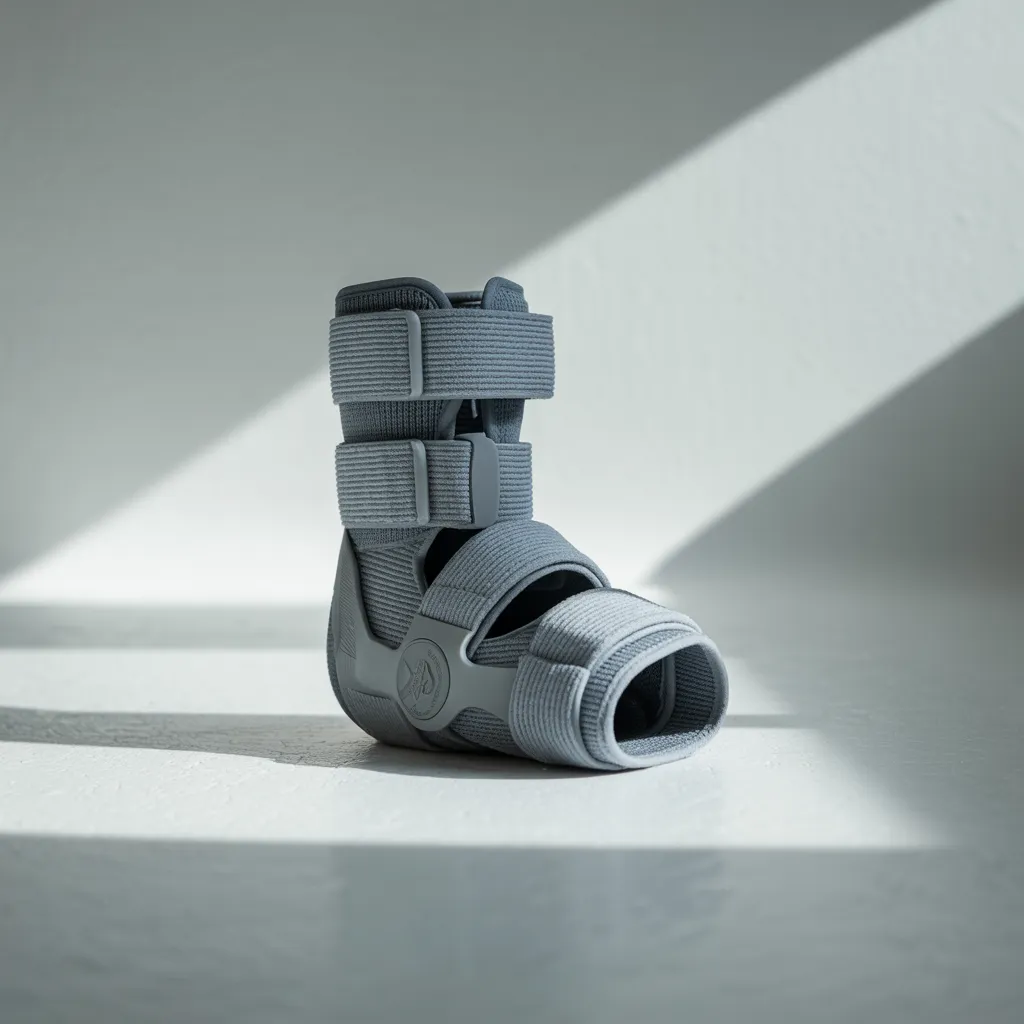
Ankle injuries are among the most prevalent musculoskeletal issues, often resulting from sports activities or everyday accidents. Typical injuries consist of sprains, fractures, and tendonitis. Ankle sprains happen when ligaments become stretched or torn, typically caused by awkward landings or slips. Treatment commonly consists of the RICE method: rest, ice, compression, and elevation, in addition to physical therapy for a full recovery.
Fractures, which involve breaks in the ankle bones, can result from severe trauma. They often require immobilization with a cast or a brace, and in some cases, surgical intervention may be necessary for proper alignment. Tendonitis, characterized by inflammation of the tendons, is common among athletes. Care usually consists of rest, icing, and anti-inflammatory medications, supplemented by rehabilitation exercises to rebuild strength and flexibility. Gaining insight into these prevalent injuries and their respective treatments can support effective management and recovery, minimizing the likelihood of long-term complications.
Pros and Cons of DIY Ankle Support
When evaluating the use of DIY ankle support, people frequently consider various benefits and drawbacks. A notable benefit is the cost savings; homemade solutions can be far less expensive than commercially available options. Additionally, DIY approaches offer customization, allowing people to adjust the support according to their unique requirements.
That said, there are considerable drawbacks. The absence of expert advice may cause inadequate support or improper application, potentially intensifying the injury. At-home remedies may not offer the same level of stability and protection as professionally manufactured products, which are often based on thorough research and clinical testing. In addition, individuals might overlook underlying conditions that require medical attention, causing a slower healing process. On balance, while at-home ankle support can be effective in certain situations, mindful evaluation of its constraints is crucial for effective injury management and recovery.
How Serious Is Your Ankle Injury? Key Signs to Watch For
How can someone identify the seriousness of an ankle injury? The assessment begins with evaluating the pain level. If the pain is intense, it may point to a more severe injury, such as a severe sprain or fracture. Swelling and discoloration are also notable indicators; significant swelling or discoloration can indicate structural damage to bones or ligaments.
Movement capacity ought to be evaluated too; challenges with weight-bearing or ankle movement could necessitate closer evaluation. An observable abnormality, like an unusual form or alignment, commonly suggests a significant injury, necessitating prompt medical care.
In addition, numbness or tingling in the foot or toes can be a sign of nerve involvement, signaling the potential for serious complications. Patients should carefully observe these symptoms, as timely recognition of a serious injury can lead to more effective treatment and recovery.
How to Determine When You Need an Orthopedic Specialist
Recognizing when to seek the knowledge of an orthopedic physician is crucial for effective ankle recovery. Continued discomfort, a restricted range of motion, and substantial swelling or bruising are important signs that warrant professional evaluation. Prompt consultation can aid in preventing additional complications and secure effective treatment.
Ongoing Pain Symptoms
Ongoing pain in the ankle can reveal deeper problems that require professional attention. Patients enduring prolonged discomfort, despite personal care and rest, may be well-served by consulting an orthopedic specialist. This pain may stem from multiple causes, including injured tendons, ligament injuries, or inflamed joints. If the pain is associated with bruising, inflammation, or difficulty putting weight on the foot, these symptoms clearly demonstrate the need for expert examination. Early intervention can prevent the progression of conditions and encourage beneficial treatment outcomes. Furthermore, chronic pain may hinder routine tasks and quality of life, making it important to resolve these problems in a timely manner. Seeking professional advice offers an accurate diagnosis and suitable treatment designed for the individual's personal health needs.
Reduced Range of Motion
A restricted level of flexibility in the ankle can considerably affect routine functions and overall mobility. Patients may have difficulty to carry out basic tasks such as walking, climbing stairs, or participating in sports. This limitation can stem from various causes, including arthritis, tendonitis, or previous injuries. If an individual experiences a notable reduction in range of motion or struggles to move the ankle in particular ways, it may be necessary to visit an orthopedic specialist. Timely care can avoid additional issues and encourage proper healing. A professional can provide a thorough evaluation and suggest suitable treatment plans, ensuring a return to normal function and preventing long-term disability. Acknowledging these indicators is essential for sustaining an active way of life.
Swelling or Bruising Issues
Although minor swelling or bruising might clear up with rest and ice, individuals should be cautious, as such symptoms may point to more significant underlying conditions. Ongoing or intensifying swelling may indicate a fracture, ligament tear, or another serious injury. Should bruising seem widespread, expand quickly, or come with intense pain, seeking prompt medical care is recommended. Additionally, individuals should consult an orthopedic specialist if they experience difficulty bearing weight, a feeling of instability, or if the swelling does not subside after a few days of home treatment. Timely intervention can help avoid complications and support a more efficient healing process, making sure underlying concerns are resolved before they develop into long-term problems. Seeking professional advice is essential for ideal healing.
DIY Compared to Professional Ankle Support Solutions
The comparison between DIY ankle support and professional solutions highlights varying effectiveness and cost implications. Although DIY approaches can offer short-term relief, identifying indicators that suggest the need for professional care remains crucial. Carefully weighing these elements can assist people in selecting the most fitting solution to address their personal requirements.
Success of DIY Support
Examining the efficiency of homemade ankle support in comparison to professional solutions highlights considerable gaps in quality and consistency. Homemade supports frequently rely on improvised materials and techniques, which can prove inadequate in providing proper stabilization or compression. On the other hand, professional alternatives are developed with targeted anatomical principles, providing superior support across multiple conditions, encompassing sprains and long-term instability issues.
Furthermore, professional solutions undergo rigorous testing for durability and performance, providing users with a sense of security. Although DIY approaches may provide short-term relief, they often lack the tailored fit and support necessary for recovery. Ultimately, individuals seeking effective ankle support should weigh the potential risks of DIY approaches against the benefits of investing in professional solutions.
Indicators That You Need Assistance
How can someone recognize when it's time to seek medical attention for ankle-related concerns? Several signs indicate that DIY methods may not suffice. Ongoing pain, inflammation, or weakness in the ankle after attempting home remedies indicates a more serious underlying problem. If movement is significantly restricted, or if the ankle feels increasingly weak, seeking expert assessment is necessary. Furthermore, obvious physical deformities or difficulty bearing any weight necessitate urgent professional evaluation. If signs of discomfort persist beyond several days, reaching out to a specialist in orthopaedics is advisable. Early intervention can prevent further complications and enable a more successful healing process. Identifying these indicators helps direct people to the right treatment, ensuring that their recovery is both safe and efficient.
Pricing Considerations for Care
Recognizing when to seek professional help for ankle issues often leads individuals to weigh their options between DIY solutions and professional care. DIY ankle support, often involving braces or wraps, typically incurs minimal costs, making it an attractive option for many. However, these solutions may not address underlying issues effectively. On the other hand, expert orthopaedic treatment tends to be substantially costlier, encompassing consultations, diagnostic imaging, and tailored treatment plans. Although the upfront cost is greater, professional treatment can help avoid future complications and further costs arising from unaddressed injuries. In the end, the choice depends on personal factors, such as the extent of the injury, available finances, and the priority given to comprehensive care over quick, budget-friendly alternatives.
Essential Practices for Ankle Injury Rehabilitation
Recovering from an ankle injury necessitates a structured approach to achieve proper healing and restore mobility. Initially, the RICE method—rest, icing, compression, and elevation—should be utilized to minimize swelling and pain. The gradual restoration of movement is critical; gentle range-of-motion exercises can enhance flexibility and reduce stiffness.
After the acute phase, strengthening exercises focusing on the supporting muscles can aid recovery, improving stability and minimizing the likelihood of future injuries. Equilibrium training, including one-legged standing exercises, also promotes rehabilitation.
It is important to be mindful of the body, steering clear of movements that cause pain. Staying well-hydrated and maintaining good nutrition are equally important for healing.
Should progress halt or discomfort continue, consulting a healthcare professional is advisable. By adhering to these best practices, patients can maximize their rehabilitation outcomes and facilitate a return to normal function.
Frequently Asked Questions
Am I Able to Use Ice for Ankle Pain Relief at Home?
Yes, ice can be used at home for ankle pain relief. The application of ice helps reduce swelling and alleviate pain. It is generally recommended for acute injuries, with sessions lasting 15-20 minutes every few hours for ideal results.
What Are the Best Materials for DIY Ankle Support?
Neoprene, elastic bandages, and foam padding make perfect materials for DIY ankle bracing. Such materials deliver compression, warmth, and padding, enhancing stability while allowing for flexibility during movement, making them perfect for short-term relief and support.
For How Long Should a Homemade Ankle Brace Be Worn
A DIY ankle brace is generally recommended to be worn between 24 and 48 hours after sustaining an injury, or until swelling subsides. However, individual recovery times may vary, and consulting a healthcare professional for personalized advice is resource strongly encouraged.
What Exercises Can I Do to Strengthen My Ankle at Home?
Yes, there are multiple ankle-strengthening exercises you can do at home. These consist of resistance band exercises, ankle circles, heel raises, and toe taps. Regular practice can enhance stability and lower the risk of injury over time.
How Can I Tell My DIY Support Is Not Working?
Indicators that self-managed support is ineffective include persistent pain, swelling, instability, limited range of motion, or worsening symptoms. When these symptoms remain despite at-home management, seeking professional orthopaedic advice is recommended for proper assessment and treatment.